

XRechnung Explained: What Is It?
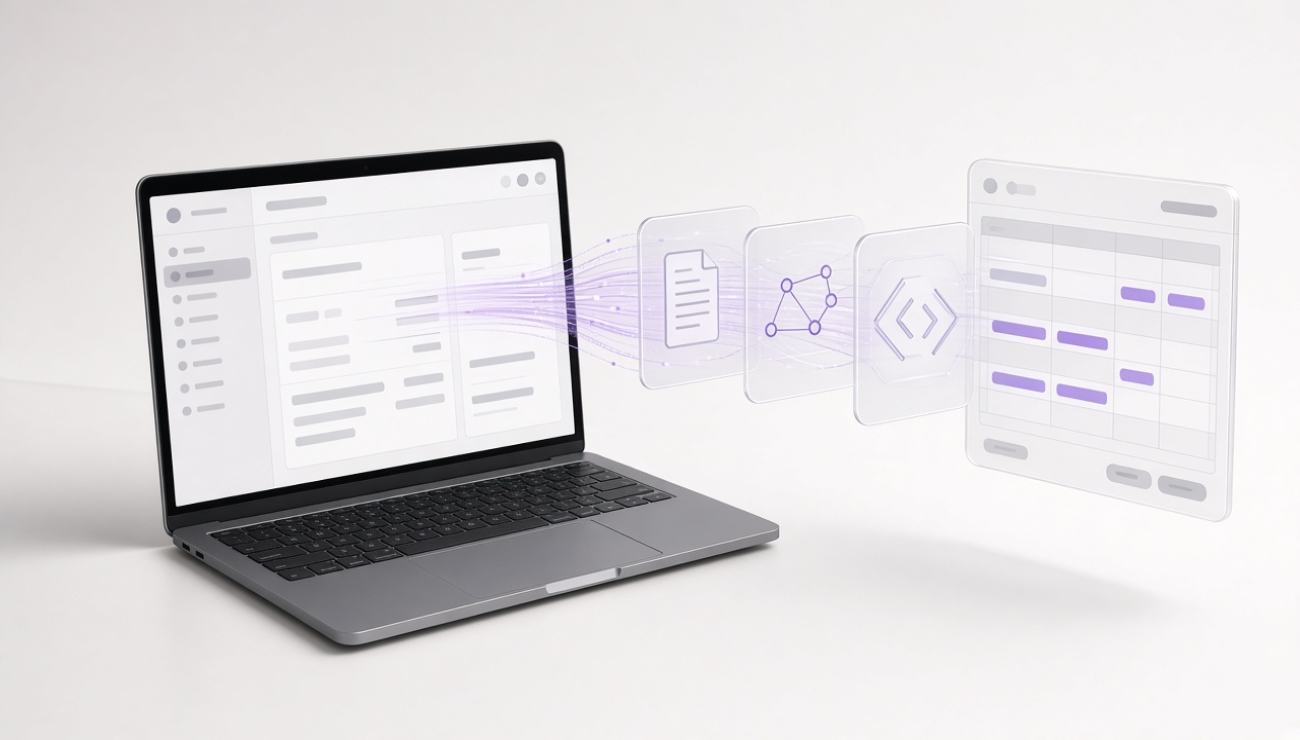
Anyone researching electronic invoicing in Germany will quickly come across the term XRechnung.
But what exactly is an XRechnung? How is it different from a regular PDF invoice? And when is this format used?
In this article, we explain the basics of XRechnung in simple terms.
What is XRechnung?
XRechnung is a standardized format for electronic invoices.
Unlike a traditional PDF invoice, an XRechnung contains invoice information in a structured XML format. This allows computer systems to read and process the data automatically.
XRechnung is therefore primarily designed for the machine-readable processing of invoice data, rather than for visual presentation.
The German XRechnung standard is based on the European EN 16931 standard.
What does an XRechnung look like?
An XRechnung is essentially an XML file.
It contains structured information such as:
- invoice number
- invoice date
- seller and buyer information
- description of goods or services
- quantities and prices
- VAT information
- payment details
- other relevant invoice data
An XML file does not look like a traditional invoice when opened by a person.
That is intentional.
The file is primarily designed to allow software to process the invoice information automatically. Suitable software can also display the data in a human-readable form when necessary.
XRechnung vs. PDF invoice
The main difference is how the invoice information is structured.
A traditional PDF invoice is primarily designed to be read by people. The recipient can open it, read it and print it if necessary.
An XRechnung, on the other hand, contains structured data that software can process automatically.
In simple terms:
PDF: A person reads the invoice.
XRechnung: Software processes the invoice data.
This machine-readable structure is one of the key advantages of electronic invoicing.
Is XRechnung an e-invoice?
Yes.
XRechnung is a structured electronic invoice format and can meet the requirements for an e-invoice when the applicable legal and technical requirements are fulfilled.
However, not every XML file is automatically a valid XRechnung. The invoice must comply with the relevant standard and business rules.
When is XRechnung used?
XRechnung is particularly important in B2G (Business-to-Government) invoicing, meaning invoices sent to public-sector organizations.
Additional requirements may apply when invoicing public authorities. For example, a Leitweg-ID may be required for electronically addressing an invoice to a public authority.
A Leitweg-ID is generally not required for ordinary B2B invoicing.
XRechnung is not limited exclusively to government invoices, however. Structured electronic invoices can also be used between businesses.
What is the difference between XRechnung and ZUGFeRD?
XRechnung and ZUGFeRD are often mentioned together, but they are different formats.
XRechnung is a purely structured XML-based format.
ZUGFeRD is a hybrid invoice format that combines structured invoice data with a human-readable PDF representation.
Under the applicable requirements, both formats can qualify as e-invoices.
The right format depends, among other things, on the recipient and how the invoice will be processed.
Can an XRechnung be opened as a PDF?
An XRechnung itself is not a standard PDF file.
Because it consists of structured XML data, suitable software can be used to display the information in a human-readable form.
However, this does not mean that an XRechnung is simply a PDF invoice.
Its main advantage is that the structured data can be processed directly by accounting and business software.
How can you create an XRechnung?
An XRechnung can be created using suitable invoicing software.
The required invoice information must be entered correctly and then transferred into the appropriate structured format.
It is also useful to validate the completed invoice. Validation can help identify missing or logically incorrect information.
XRechnung for freelancers and small businesses
Freelancers and small businesses may also need to deal with XRechnung.
The format can be particularly relevant when invoicing public-sector customers or when a business partner requires a structured electronic invoice.
For this reason, it can be useful to check whether your invoicing software supports XRechnung.
Create XRechnung with Zefare
With Zefare, freelancers, self-employed professionals and small businesses can create digital invoices and offers online.
In addition to standard PDF invoices, Zefare supports XRechnung and ZUGFeRD.
This allows businesses to manage different invoice formats through one digital solution.
Conclusion
XRechnung is a standardized, XML-based electronic invoice format. Its main purpose is not visual presentation, but the automatic processing of structured invoice data by software.
XRechnung plays an especially important role when invoicing public-sector organizations in Germany.
Anyone working with electronic invoices should therefore understand the difference between PDF invoices, XRechnung and ZUGFeRD.
With suitable invoicing software, creating and processing digital invoices can become much simpler.