

XRechnung or ZUGFeRD
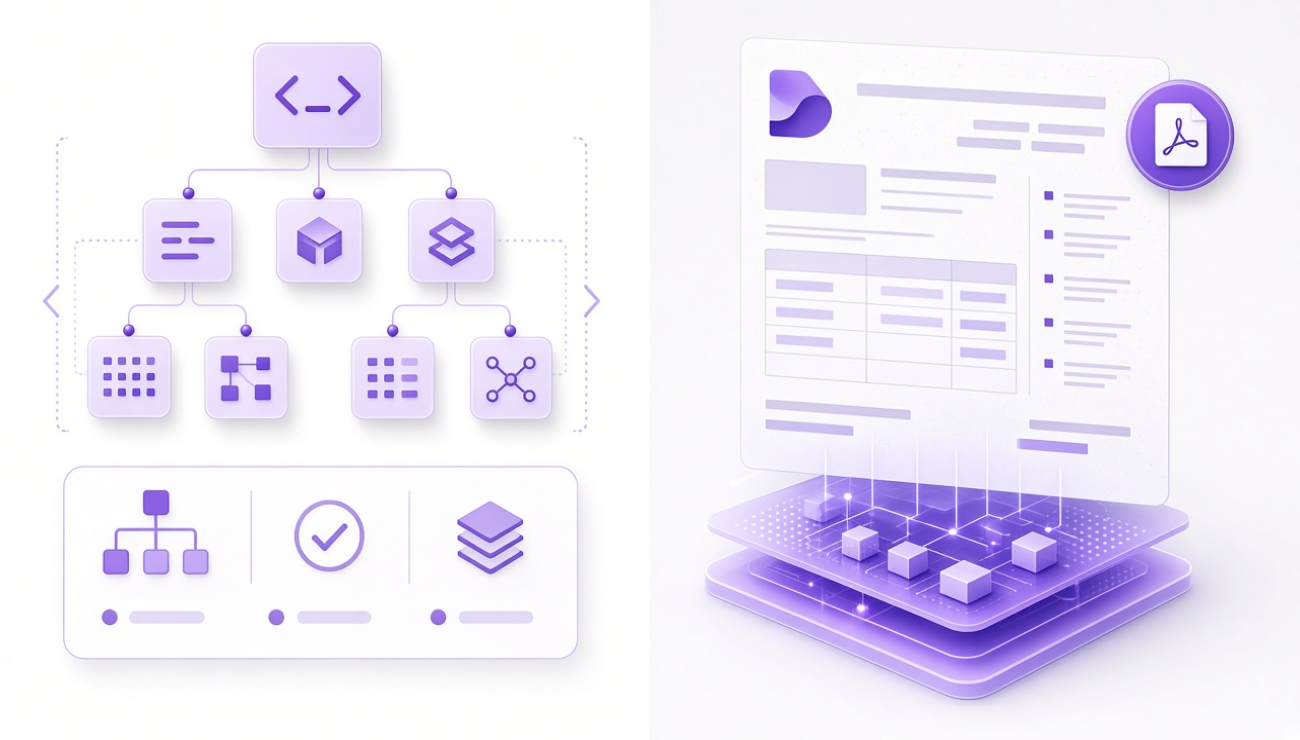
Anyone dealing with electronic invoicing in Germany will quickly come across the terms XRechnung and ZUGFeRD. Both formats can be used for electronic invoices, but they work in different ways.
In this article, we explain the main differences and when each format can be suitable.
What is XRechnung?
XRechnung is a standardized structured invoice format based on XML. It contains invoice data in a form that can be processed by computer systems.
An XRechnung is not a regular PDF file. The invoice information is provided as structured XML data.
XRechnung is particularly important when dealing with public authorities and other public-sector organizations. Depending on the recipient, information such as a Leitweg-ID may also be required.
You can learn more in our article [XRechnung Explained].
What is ZUGFeRD?
ZUGFeRD is a hybrid electronic invoice format. A ZUGFeRD invoice combines a visually readable PDF with structured XML invoice data in a single document.
This allows the invoice to be read by people while also being processed automatically by software.
The PDF provides the visual representation of the invoice, while the embedded XML contains structured invoice data.
See our article [ZUGFeRD Explained] for more details.
XRechnung vs. ZUGFeRD
The main difference is how the invoice is represented.
An XRechnung consists of structured XML data. Without appropriate software, the file is not particularly convenient for people to read.
ZUGFeRD, on the other hand, combines PDF and XML in one file. The recipient can open the invoice like a regular document while software can process the structured data automatically.
| Feature | XRechnung | ZUGFeRD |
|---|---|---|
| Format | XML | PDF/A-3 + XML |
| Readable PDF included | No | Yes |
| Structured invoice data | Yes | Yes |
| Automated processing | Yes | Yes |
| Particularly relevant for B2G | Yes | Depending on the use case |
| Suitable for B2B | Yes | Yes |
| Suitable for B2C | Depending on the use case | Depending on the use case |
Is ZUGFeRD the same as XRechnung?
No. XRechnung and ZUGFeRD are different formats.
Both support structured invoice data and are based on the European framework for electronic invoicing, but their technical implementation is different.
ZUGFeRD embeds structured XML data into a PDF/A-3 file. XRechnung is provided as a structured XML invoice.
Which format is better?
There is no universally better format. The right choice depends on the recipient and their technical requirements.
If a public-sector customer specifically requires an XRechnung, an XRechnung should be provided.
If an invoice needs to be both easy for people to read and suitable for automated processing, ZUGFeRD can be a practical option.
The requirements of the recipient should always be checked before sending an electronic invoice.
What should freelancers and small businesses consider?
For freelancers and small businesses, the most important point is to use a format that is accepted by the business partner.
Before sending an electronic invoice, it is useful to check:
- Which invoice format does the recipient accept?
- Are structured invoice data required?
- Is a Leitweg-ID required?
- Are there specific technical requirements?
- Does the invoice need to be validated?
Checking these requirements in advance can help prevent problems during invoice processing.
Create XRechnung and ZUGFeRD invoices with Zefare
Zefare supports creating invoices in both ZUGFeRD and XRechnung formats. This allows freelancers and small businesses to use the appropriate electronic invoice format for different business situations.
Conclusion
XRechnung and ZUGFeRD have a similar goal: invoice data should be structured and suitable for electronic processing.
The key technical difference is:
XRechnung = structured XML invoice
ZUGFeRD = PDF with embedded structured XML data
The appropriate format mainly depends on the requirements of the recipient and the specific business transaction.